Step Up Your Game: The Ultimate Guide to Choosing Performance Athletic Shoes
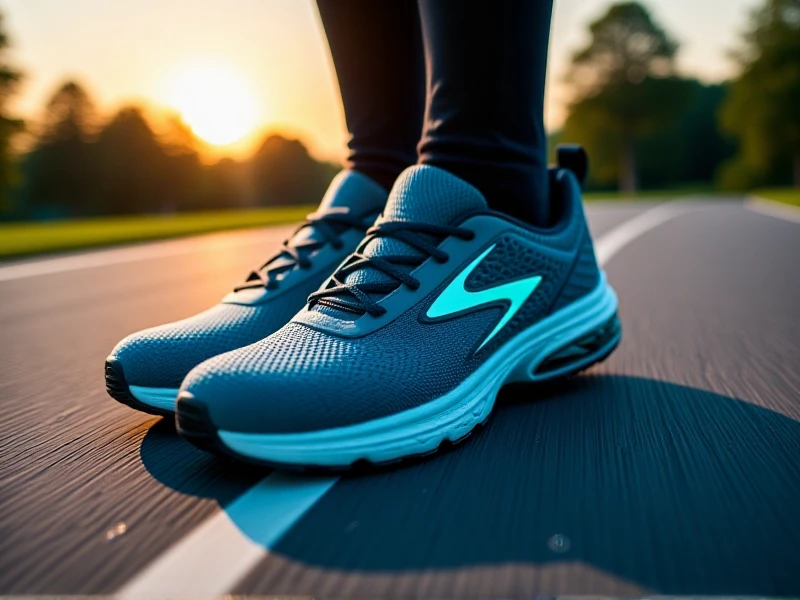
Finding the perfect athletic shoes is crucial for comfort, performance, and injury prevention. With countless options flooding the market for running, training, basketball, hiking, and everyday wear, selecting the right pair can feel overwhelming. This guide simplifies the process, focusing on key factors to match your athletic shoes precisely to your activity and needs.
Activity Matters Most: Your chosen sport dictates design. Running shoes emphasize cushioning and forward motion. Look for breathable uppers and responsive midsoles. Cross-training shoes offer lateral support and stability for quick side-to-side movements, lifting weights, or HIIT classes. Basketball shoes prioritize ankle support and court traction. Trail shoes feature aggressive, sticky outsoles and protective uppers for uneven terrain. Versatile walking shoes prioritize comfort and everyday durability.
Fit is Non-Negotiable: Never compromise on fit. Visit a specialty store for expert advice, especially if you have wide or narrow feet. Allow roughly a thumbnail's width between your longest toe (often the second toe) and the shoe's end. Ensure a secure heel lock without slippage. Check the midfoot width – it shouldn't feel constricting or overly loose. Your toes should have room to splay naturally. Consider trying shoes later in the day when feet swell slightly.
Understand Your Support Needs: Gait analysis helps determine pronation (how your foot rolls inward upon landing). Neutral shoes suit efficient runners. Overpronators benefit from stability features controlling excessive inward motion. Severe overpronators need motion control offering maximum support. Underpronators (supinators) require well-cushioned neutral shoes for shock absorption.
Embrace Technology: Modern athletic shoes leverage advanced materials. Breathable mesh uppers like Nike Flyknit or adidas Primeknit offer lightweight ventilation and adaptive fit. Midsoles utilize foams like adidas Boost, Brooks DNA LOFT, or Nike ZoomX for responsive cushioning and energy return. Outsoles use durable rubbers with sport-specific patterns – razor-thin for track spikes, deeply lugged for trails, herringbone for hoops.
Maintenance & Replacement: Rotate between at least two pairs to extend lifespan and let cushioning recover. Clean shoes gently with a soft brush and mild soap; avoid machine washing. Track mileage: most athletic shoes lose significant cushioning after 300-500 miles, even if the outsole looks good. Signs it's time to replace include noticeable discomfort, uneven wear patterns, and reduced support feeling.
Investing time in finding your ideal athletic shoes pays dividends. Your feet support every step; give them the cutting-edge comfort, tailored support, and performance-driven technology they deserve. Ready to explore the best pair for your movement? Visit our curated collection today!