How to Choose the Perfect Pair of Athletic Shoes for Your Workout
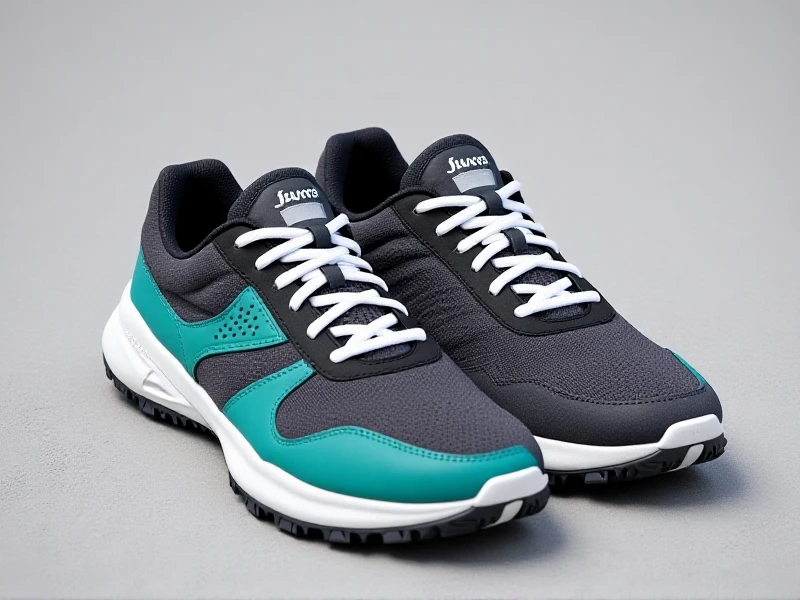
Selecting the right athletic shoes isn't just about style; it's foundational to performance, comfort, and injury prevention. Wearing improper footwear can lead to aches, pains, and setbacks. Finding the ideal pair requires understanding your specific needs and the features that deliver support.
1. Match the Activity Sport-specific design is paramount. Running shoes prioritize forward-motion cushioning and lightweight construction. For court sports like basketball or tennis, shoes feature lateral support, grippy soles, and ankle stability for quick side-to-side movements. Cross-trainers offer a versatile balance for varied gym routines, while walking shoes emphasize comfort and heel cushioning.
2. Prioritize Fit and Feel Never guess your size – have your feet measured professionally later in the day when they swell slightly. There should be roughly a thumb's width of space between your longest toe and the shoe's end. Walk around the store; the heel should fit snugly without slipping, and the midfoot should feel secure without pinching. Your arch should rest comfortably on the shoe's support—not spill off the side. Trust how your feet feel; snug comfort is key, tightness causes trouble.
3. Understand Key Technologies The midsole is crucial. EVA foam provides lightweight cushioning. Modern innovations like air units, gel pods, or specialized compounds (Nike Air, Adidas Boost, ASICS Gel) offer enhanced energy return and impact absorption—beneficial for runners and jumpers. Look for breathable mesh uppers, especially for high-intensity or warm-weather workouts. Durable rubber outsoles provide traction; deeper tread patterns excel outdoors or on courts. For runners seeking natural strides, consider the appropriate drop (heel-to-toe height difference). Stability or motion control features help correct overpronation for a smoother gait.
4. Quality & Care Matter Investing in durable athletic footwear from reputable brands pays off in performance and longevity. Rotating between two pairs lets foam midsoles decompress between uses, extending cushioning life. Keep shoes clean and air dry them naturally after workouts. Replace shoes every 300-500 miles of running or sooner if the tread significantly wears, the cushioning flattens drastically, or persistent aches develop despite other causes being ruled out.
Choosing the right athletic shoes involves thoughtful consideration of your activities, foot type, and movement patterns. Visit a dedicated sports store for advice, try options on and move, and trust your feet. The perfect pair supports your goals—comfortably and reliably.